“We have Adolf Hitler’s telescope here, you know.”
Alexander Yezhov, my guide, delivers the line with a straight face. I can’t tell if he’s joking. He isn’t.
“No, really. Hitler wanted to give Mussolini a telescope as a gift, but it was captured in Yugoslavia by Tito’s partisans. Tito gave it to Stalin; and that’s how it ended up in Kazakhstan.”
Welcome to a country that keeps you guessing.
More than just steppe
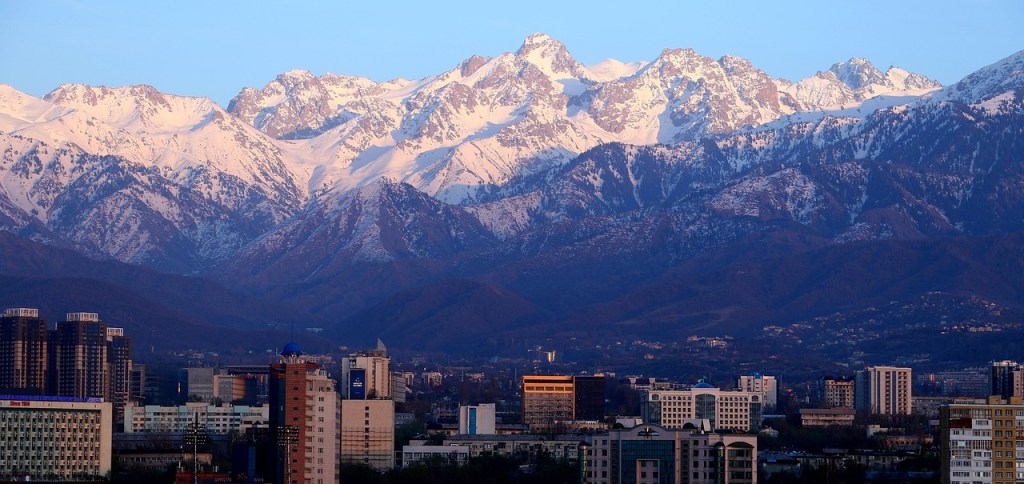
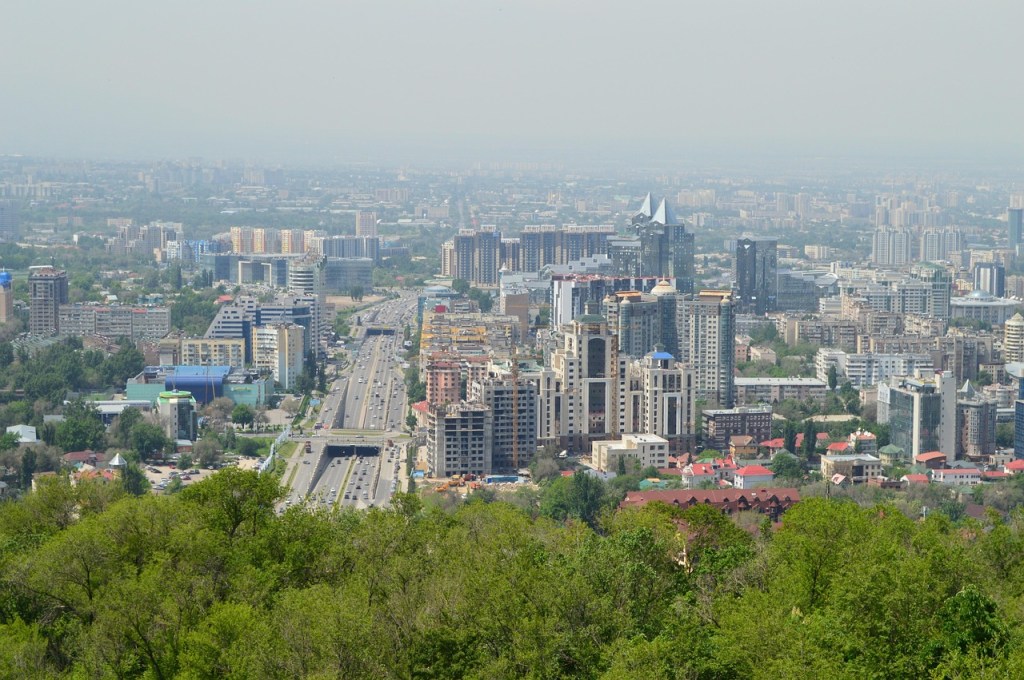
Many still picture Kazakhstan as a vast, flat sea of grassland. But flying into Almaty, the old capital, it’s the greenery that strikes me. Red and blue rooftops peek out from between columns of trees.
The city’s name comes from Alma Ata, “grandfather of the apples”, in recognition of the region’s botanical legacy. In the 19th century, wild apple forests flourished nearby, and boulevards were lined with fruit trees.
Yezhov remembers: “In the Sixties and Seventies, there were still lots of apple, apricot, and cherry trees. Then the roads were widened for cars, and most of the fruit trees were cut down. Now they plant birch and oak. They last longer, but they’re not the same.”
Even the surviving trees are touched by history: their trunks painted white up to a metre high. “It’s for insect protection,” says Yezhov, “and visibility for drivers. But really, in Soviet times, they just painted everything white.”
From cathedral to museum and back again
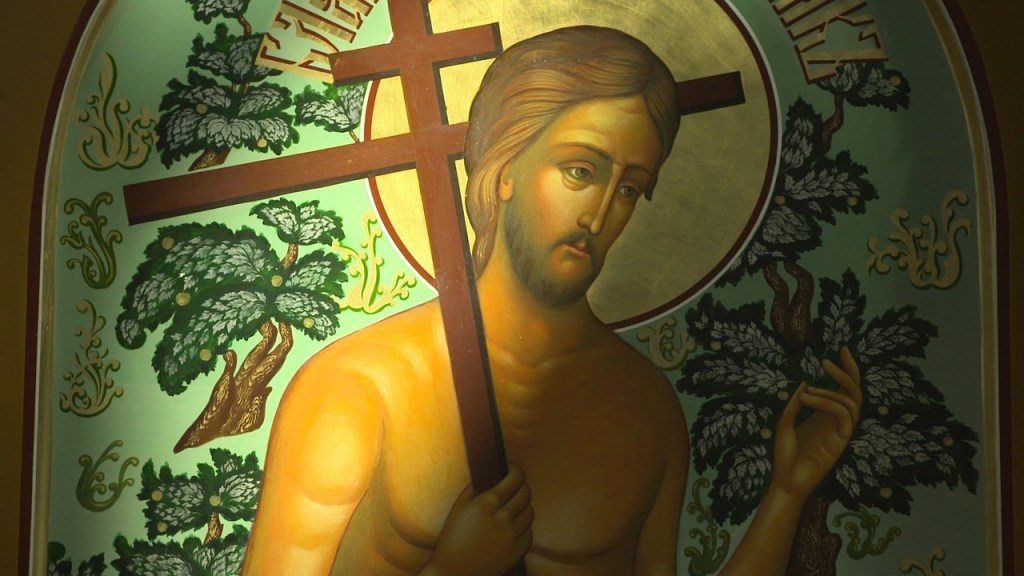
We stop at the Ascension Cathedral, an eye-catching wooden structure built in 1907. Under Soviet rule, it was converted into a museum. Yezhov, in a former life, helped redesign the interior.
He gestures to a faint shadow on the wall. “That was where they added a second storey. It featured exhibits on Kazakh wildlife, archaeology, costume…” Today it’s a working place of worship again, alive with icons and incense.
Islam is the official religion in Kazakhstan, but Almaty tells a more nuanced story.
“Every district has a church; and a mosque,” says Yezhov. “You’ll find Kazakh Christians and Russian Muslims. We have a lot of mixed marriages.”
Where gulag history meets Vegas architecture
Kazakhstan’s diversity is etched into its history. Stalin exiled entire populations here during the purges; Koreans, Ukrainians, Volga Germans. One of the most harrowing remnants is Alzhir, the Akmolinsk Camp for Wives of Traitors to the Motherland, where 20,000 women were imprisoned between 1937 and 1953.
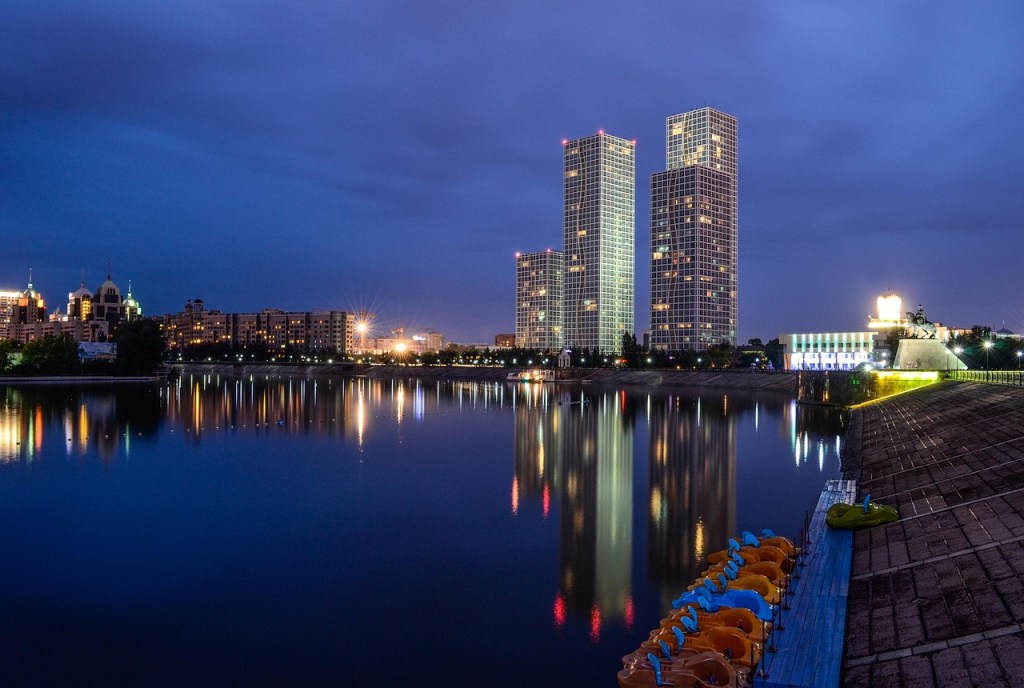
Just a few kilometres from Alzhir lies Astana; Kazakhstan’s capital since 1997. The contrast is jarring.
Astana is a city of pyramids, golden towers, and glass domes rising from the steppes like something from a utopian fever dream. Designed largely at the behest of former president Nursultan Nazarbayev, and shaped by global architects like Sir Norman Foster, it’s been called “the world’s weirdest capital”.
One building allows visitors to place their hand in a bronze imprint of Nazarbayev’s. In return, the national anthem plays.
Back to nature
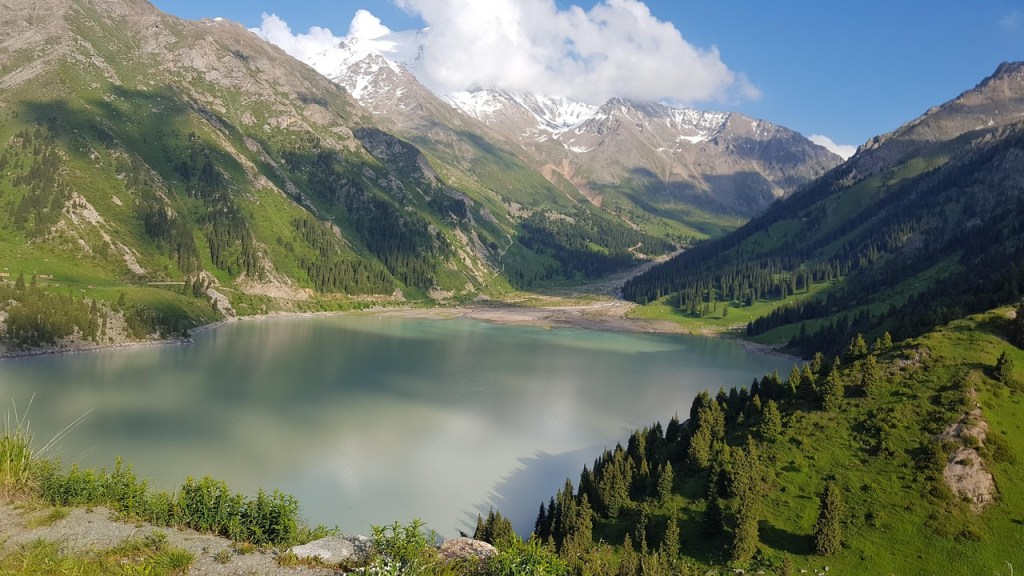
After Astana’s surrealism, returning to Almaty feels grounding. Just 15km away, the forests of Ile-Alatau National Park are within easy reach. I take a winding track up to Big Almaty Lake, the turquoise basin ringed by snow-capped peaks and silence, except for the cry of a circling buzzard.
Somewhere beyond these mountains lies China. And, for many Kazakhs, that direction raises unease.
Over a Tian-Shan beer, a young local tells me: “Bad things have always come from the east. Genghis Khan. The Mongols. Now people worry about China and what it wants from our oil, our land.”
He shrugs. “We’ve had a complicated relationship with Russia. But sometimes it’s better the devil you know.”
Air Astana flies from London to both Almaty and Astana. https://airastana.com/uk-en
 Dan Hayes: journalist & writer