Alain is a man of many talents. One evening, in the salon at the Hotel La Terrasse in the village of Meyronne, in the Occitanie region of southwestern France, he produces what looks like a small brass cylinder dangling from a chain.
‘Do you know what this is?’ he asks.
I shake my head.
‘It’s a pendulum,’ he explains. ‘I use it to heal people.’
And he proceeds to demonstrate how he can use this unlikely-looking object both to discover ailments and to cure them.
He holds the pendulum over my head and it rotates wildly. ‘You’ve a lot on your mind,’ he suggests, before using his hands in a sweeping gesture to brush away the negative energy that he feels is occupying my thought processes.
I have to confess I don’t feel any different, but Alain repositions the pendulum and, Lo and Behold, it has stopped its crazy oscillations and hangs, quite limp, from his hand.
‘Et voilà,’ he smiles, ‘now you’ll sleep better tonight.’
The show has aroused a certain level of interest. Soon the salon has been transformed into a veritable healer’s triage unit. Alain copes well, although the effort of helping all those creaking knees and aching backs brings a few tears to his eyes.
Would Alain have found such a receptive audience somewhere else? Who knows? Perhaps this location, with its enduring links between people and patrimonie, its wide spaces and quiet villages holds on to traditions and confidence in folk remedies in a way that has been lost elsewhere.
Attractions of the Dordogne Valley
There is certainly a timeless, enduring quality about this region of France. The Dordogne Valley cuts through the departments of Lot, Aquitaine and Corréze, each of which has its own character while also defining the concept of La France Profonde, deep France, where local customs endure and the region takes precedence over the national.
Local knowledge has it that when actor Brad Pitt was looking for a rural hideway his eye fell on this area – and one clifftop chateau in particular. Its owners, however, were less keen to sell than he was to buy and so the deal did not materialise.
Touring this region is a revelation; near traffic-free roads climb through thickly wooded hills and valleys, the river gorge appearing high and pale above the trees, its sides slipping sheer toward the clear waters of the Dordogne many metres below.
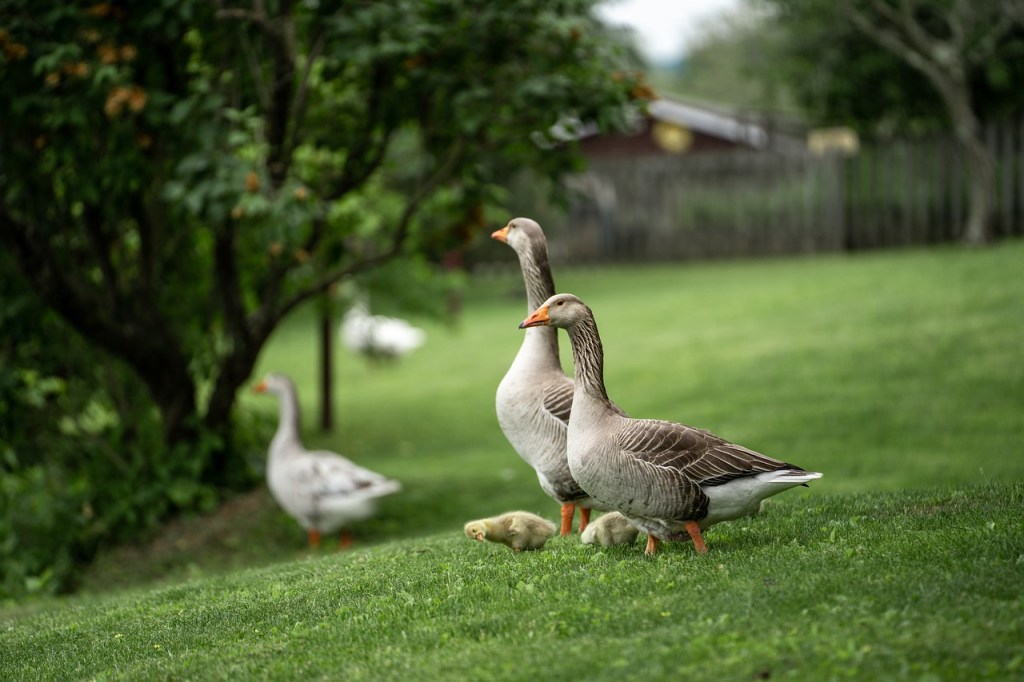
In fields by the roadside, dun-coloured cows eye passers-by with good-natured indifference, while geese and turkeys patrol wire enclosures, hopefully unaware of what lies in store for them – their fate sealed by signs at farm entrances offering foie gras and pâté de l’oie.
It is delicacies such as these that are occupying minds at Sarlat, where my visit coincides with the town’s annual Fête de la Gastronomie. Stalls selling local produce fill the main square, while a flock of 200 sheep are penned at one end, a reminder of the flocks that would have been herded from summer to winter pastures in times gone by.
Sampling the specialities of Sarlat
Attracting much interest is a demonstration of how best to cook foie gras. Françoise Surot cuts off huge slices from a pale pink block before frying them in bubbling fat. A group of local people look on with interest, partly in admiration of the technique, partly in the knowledge that chunks of the end-product – served in combination with locally grown figs – are soon to be handed out.
Françoise’s English husband, David, taking time off from his day-job of building a wooden house for the couple, is in the role of sous-chef and waiter. ‘Ducks and geese are tremendously important to this region,’ he says. ‘And nothing’s wasted, we use every part of them.’
He indicates the nearby stalls. ‘You’ll have seen the sheep. They’re used to make another local delicacy – Brebis cheese. It’s got so much character – once you’ve had it you go off other cheeses. Then there are walnuts – they grow all over the region and are used in oils, aperitifs, cakes. There’s a walnut cake called craquelé Périgordin that’s very good. A bit further south there are plums and plum liqueurs. Then there’s wine from Cahors.’
Not surprisingly – with all this tempting food and drink at his disposal, not to mention Sarlat’s other attractions – David is in no great rush to return to his own native land.
Medieval memories and architectural achievements
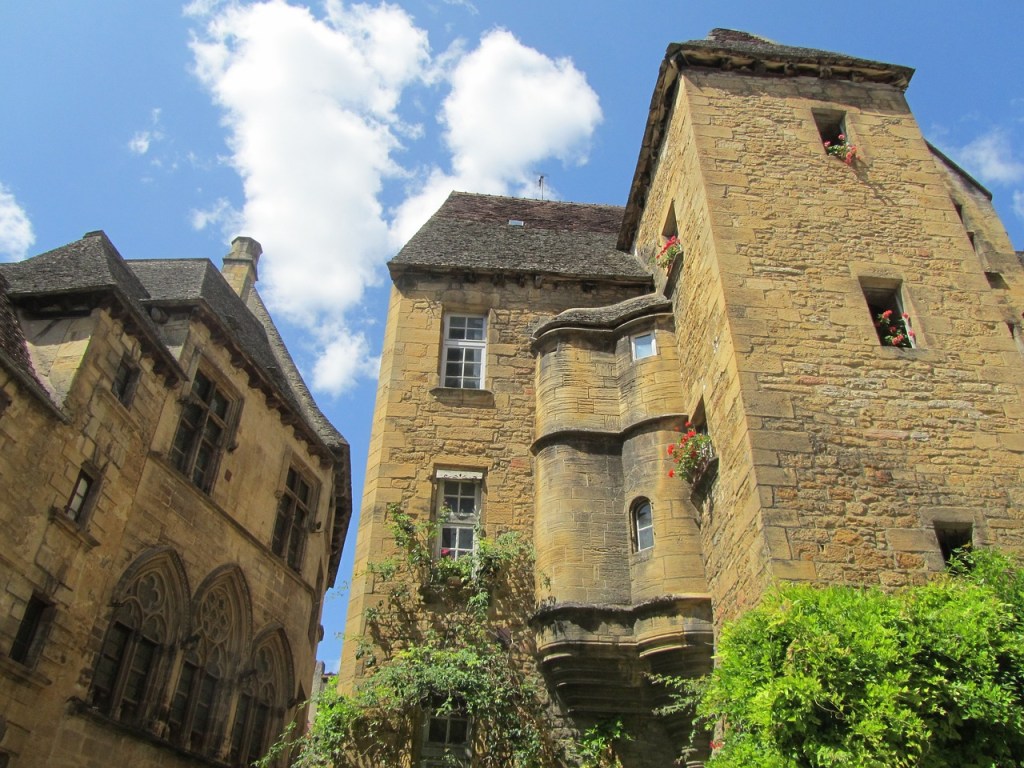
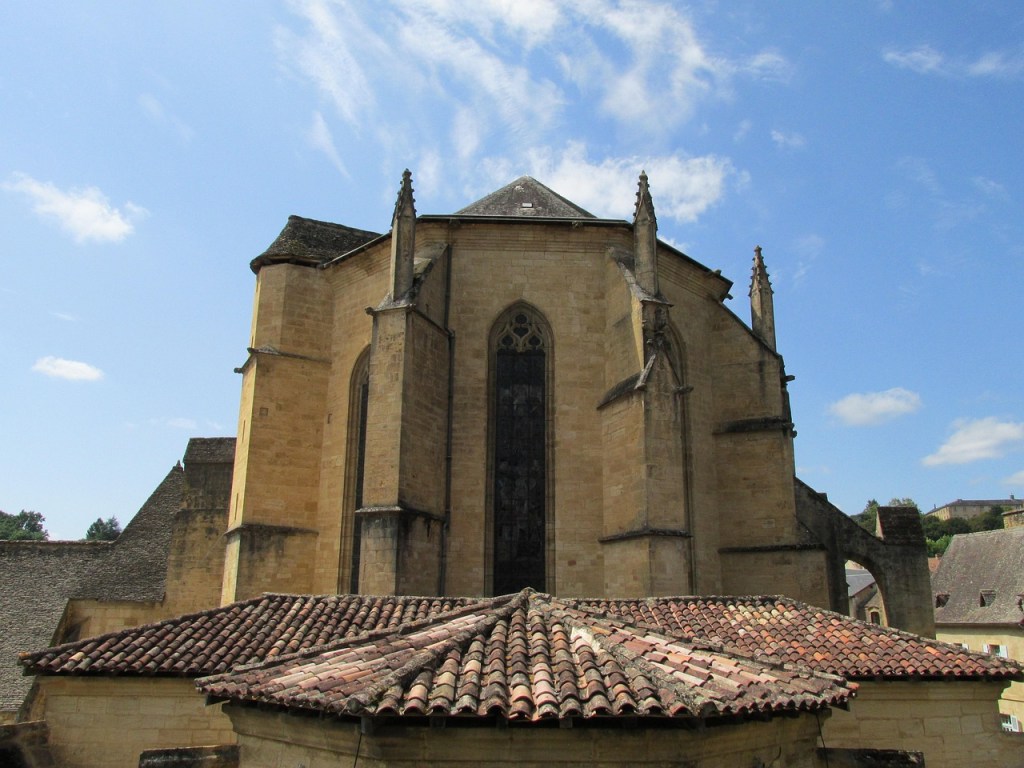
Walking through Sarlat’s medieval streets, the town’s yellow sandstone houses emanating warmth in the early autumn sunshine, it seems as if every second shop is selling either foie gras or some other local speciality. In the Sainte-Marie market, the local produce has a suitably impressive venue.
The surviving chunk of a church destroyed during the French Revolution, it is today most remarkable for its two huge doors, the work of architect Jean Nouvel. Cast from steel, these each weigh in at around seven tonnes, providing an unexpected contemporary twist to the turrets, timbers and gables of the town centre.
The road from Sarlat leads to villages that seem almost to attempt to excel each other in their sense of quiet, unchanging history. At Martel, across the Département border in the Lot, the town’s skyline is still dominated by seven medieval towers. One of these adorns the Raymondie, the 16th-century town hall, whose rounded ground-floor arches would originally have accommodated shopkeepers.
Visiting in the 1950s, the travel writer Freda White wrote of the place being so quiet that a hen could be found looking after a brood of ducklings in its doorway. Nearby, the gothic church of St-Maur provides an interesting detour partly because it was once part of the town’s defences, and has a solidity to match, and also because of its dramatic wall-paintings, a reminder that medieval churches were once a much more colourful proposition than they are today.
In days gone by, Martel was part of the territory of the Counts of Turenne, who enjoyed a level of autonomy from the kings of France. For centuries, though, their territories lay on a border that was regularly contested by England and France.
In the steps of pilgrims
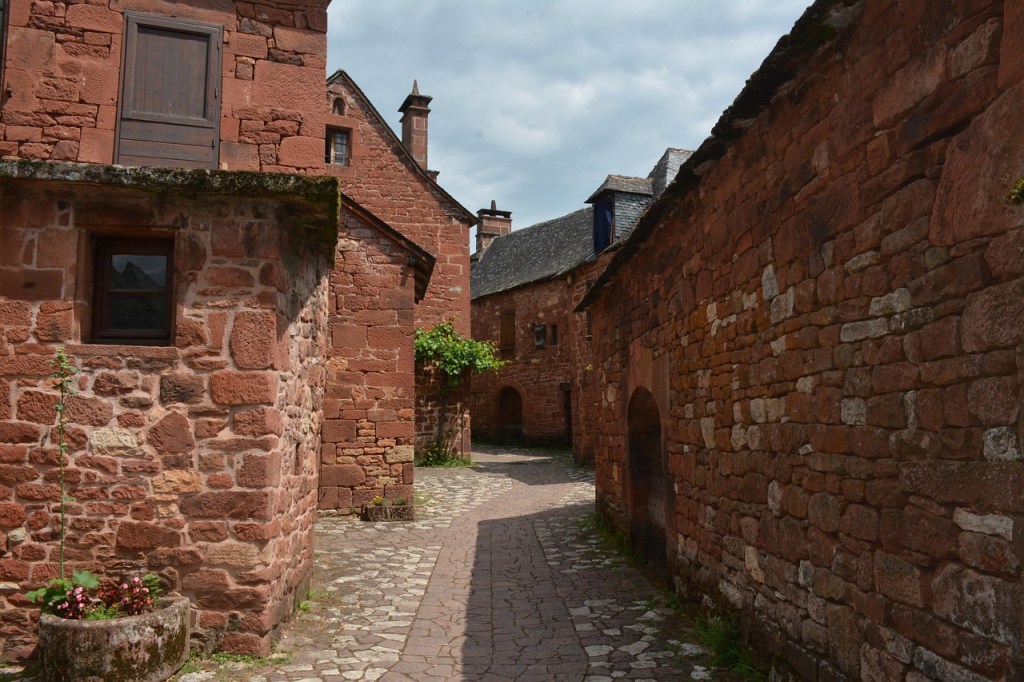
Memories of those days endure down the centuries at villages such as Turenne itself, with its hill-top castle – today a private residence, Collonges-La-Rouge, famed for its towers and red sandstone, and Loubressac, in a hill-top position overlooking deeply wooded valleys, a place where buzzards circle at eye level as you look out from what were once ramparts.
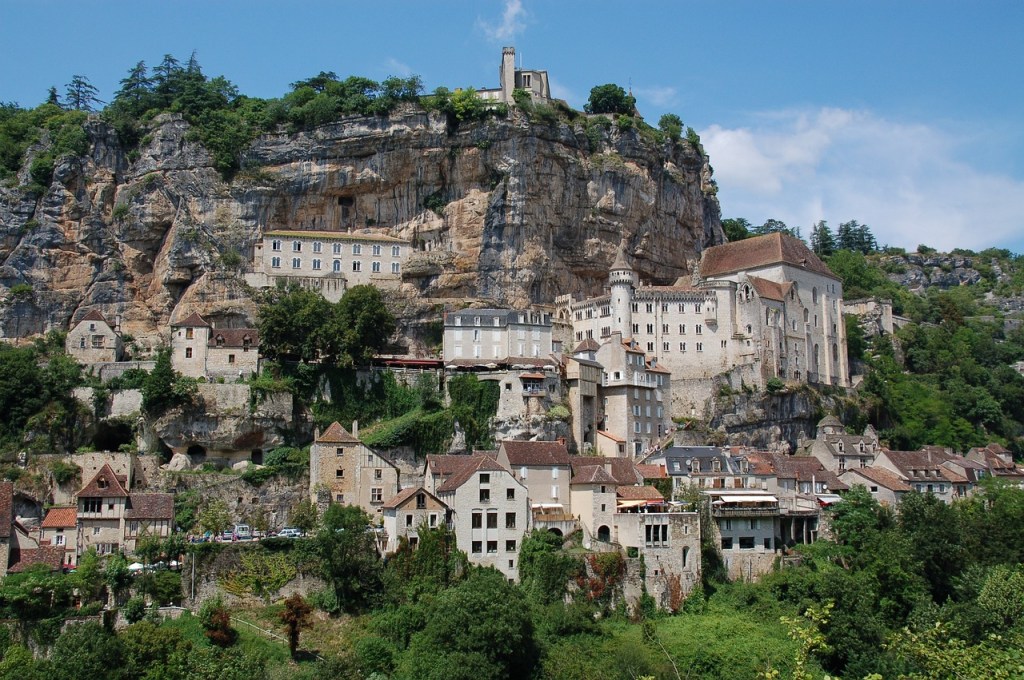
Similar vertiginous principles apply at nearby Rocamadour, where the gorge of the River Alzou overhangs medieval shrines. In the Middle Ages this was one of the most important pilgrimage sites in Europe, a stop on the Route of St James to Santiago de Compostela, where St Amadour was said to have lived in a cave in the cliff.
Pilgrims still come, though few now climb the many steps from bottom to top of the gorge on their knees – as pentitents did in former years. Many votive candles still burn in the site’s chapels, however, and the sword of Roland – supposedly thrown into the rock by a hero of Charlemagne’s army – remains buried where it landed.
It is remarkably well preserved for something that has been in place for so many centuries and, partly for that reason, beliefs still surround it.
Like my new friend Alain’s pendulum perhaps, it is an object that many people, both here in southwestern France and further afield, hold in high regard.
There are regular flights from London to Brive Airport, which provides easy access to the Dordogne Valley.
 Dan Hayes: journalist & writer