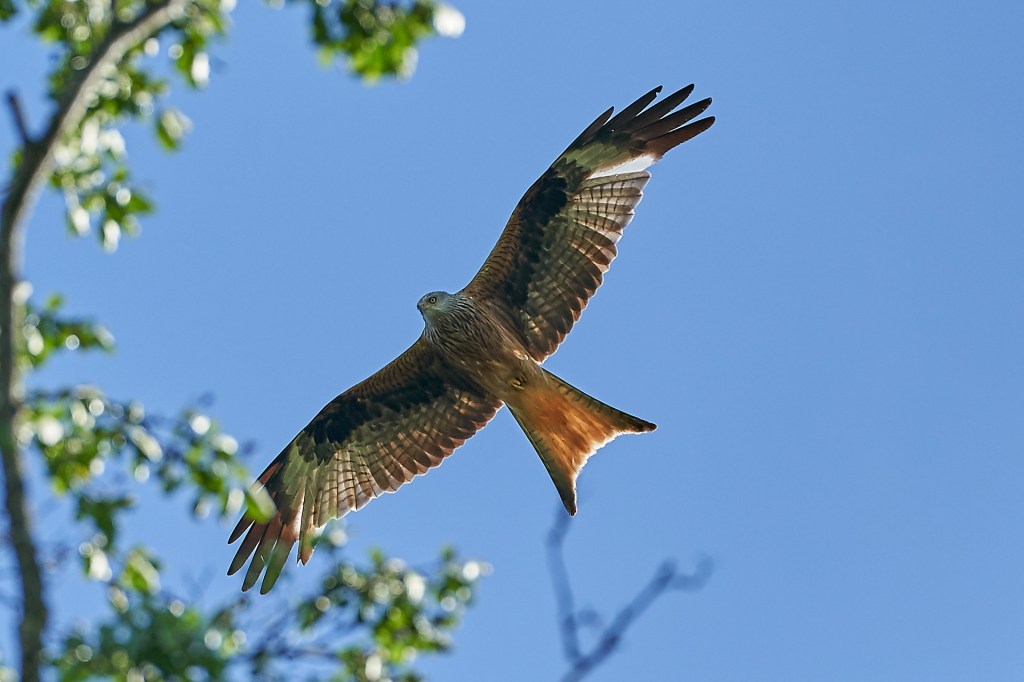
Dark deeds have been taking place in high places during lockdown, it seems… No that’s not a reference to the corridors of power, but to the sharp rise in reports of attacks on the UK’s protected species, in particular on grouse moors and sporting estates.
Earlier this month the RSPB raised the alarm saying it had been inundated with accounts of birds of prey being illegally killed.
According to the charity, it received 56 separate reports of raptor persecution between the beginning of lockdown on 23 March and mid-May, with species involved including some that have benefitted from high-profile reintroduction campaigns, such as red kites and hen harriers.
For those specialising in the law relating to wildlife, however, the RSPB’s news, while bleak, came as no huge surprise.
Robert Espin, co-chair of the Wildlife Special Interest Group, at charity the UK Centre for Animal Law (A-law), says: “Resources have been diverted away from wildlife and countryside crime during the coronavirus crisis and people may have taken the opportunity to commit crimes against wild birds because there were fewer members of the public around.”
And, shocking as the implications of that may be, the chances of any successful prosecutions being brought are slim, adds Anna Heslop, head of the wildlife programme at Client Earth: “The sort of thing we’re hearing about will be quite difficult to take action against. If everyone was shut up in their house there may not be a lot of evidence.”
Job satisfaction
Putting aside headline-grabbing cases involving the persecution of protected species during a national crisis, lawyers working in this sector seem to score highly on job satisfaction.
Espin describes wildlife law as providing a “broad field” of experiences and adds: “You might be looking at details of international conservation law, or regulations regarding transport, or conservation protection for different habitats either marine or on land.”
Outside of his work with A-law, Espin’s “day job”, incidentally, is with the insolvency team at Clifford Chance.
Heslop adds: “Most lawyers’ jobs involve helping a client to make more money or complete a transaction, for example, and that can be satisfying, I’m sure. But for me to stand and look at a beach or a meadow that was going to be destroyed and say, ‘We helped to protect that’ is really fulfilling.”
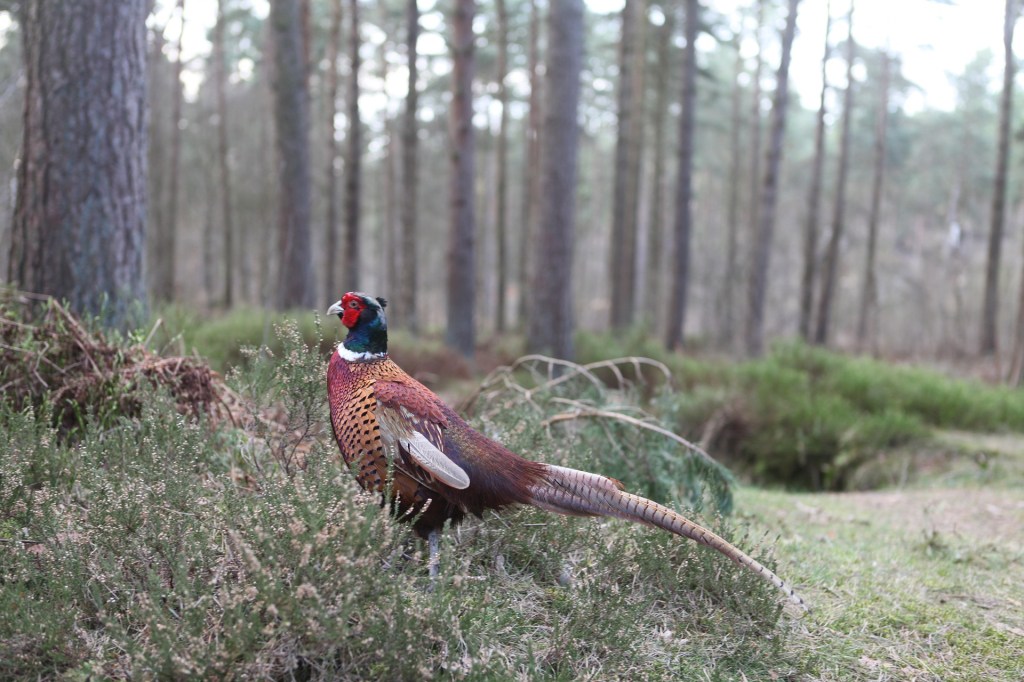
Job satisfaction is also something that is important to Carol Day, a consultant solicitor at law firm Leigh Day, who in addition works part-time for the RSPB. Her current cases include a number for environmental campaign group Wild Justice, co-founded by TV presenter Chris Packham, including one focused on the annual introduction of millions of game birds into the countryside in late summer that causes a huge impact on other species. Leigh Day is seeking a judicial review, claiming that by allowing the release to go ahead the government is ignoring its obligations under the Habitats Directive.
“I really enjoy bringing together the policy and the law and the interface of the two,” says Day. “It’s an incredibly rewarding area in which to work because we can really see where the cases can make a difference and why they are important.”
Longer term prospects
Among the other topical questions focusing legal minds in the sector is how a post-coronovirus UK will interact with nature, with large infrastructure projects such as HS2 perhaps facing increased public scrutiny.
“There is a real question now about how people are living their lives,” Day says. “Do they really want to shave off 10 minutes on their journey from London to Birmingham when they could be working at home? As a nation, we have real problems meeting our climate commitments as it is. If we don’t stop and ask ourselves really critical questions about the kind of life we want going forward it will be such a major missed opportunity.”
Another ongoing issue is the environmental ramifications of Brexit, with Leigh Day, for example, last year joining forces with Client Earth and the Marine Conservation Society to bring a legal challenge to measures that might have created an opportunity for the government to reduce standards for protected sites in the UK.
Client Earth’s Heslop explains: “Ministers were giving themselves a large loophole through which to climb later. It was a strange case, because it ended up in a compromise where the government didn’t actually change the statutory instrument, but rewrote the guidance to [close] what we saw to be the loophole.”
Pivotal moment
Generally, however, it seems the post-Brexit forecast remains misty for environmental and wildlife legislation. “It could provide an opportunity for change that sees the UK become a world leader in international animal protection,” suggests Espin, “But without knowing what government plans are it’s hard to know for sure.”
Day also has concerns. “We’re facing a pivotal moment. In a post coronavirus economic situation is everything just going to [go back to] business as usual? Is [the government] going to be more inclined to increase agricultural production again?”
One plausible scenario, she adds, is a no-deal Brexit leading to panic buying and empty shelves followed by a push for the UK to produce more of its own food. This, she suggests, could mean an intensification of farming at the expense of natural habitats and wildlife.
On the other hand, Day adds: “If we’re talking about public money for public good, it could be hugely positive. If farmers are, for example, paid to farm in less intensive ways or are paid to recreate areas of wildlife habitat that have been damaged over the past 40 or 50 years, then that could be real progress.”
Resources have been diverted away from wildlife and countryside crime during the coronavirus crisis, lawyers say.
Tweet
 Dan Hayes: journalist & writer