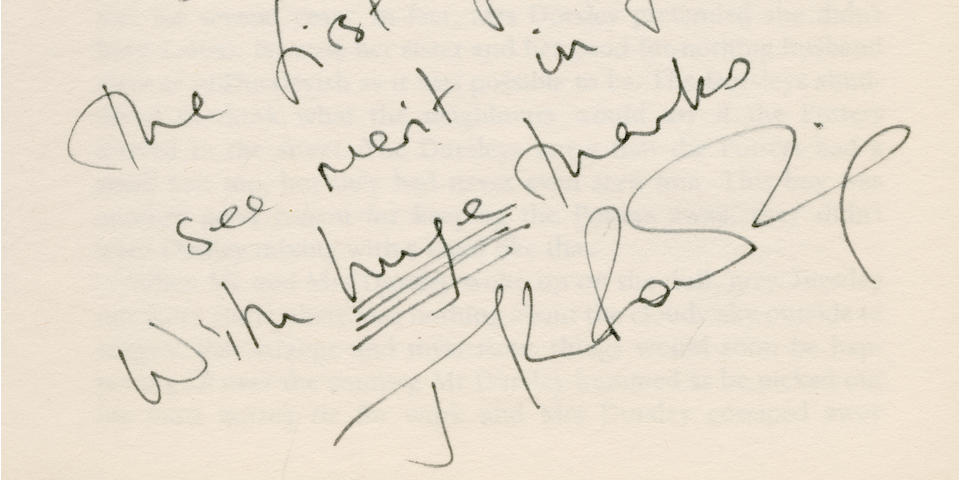
When a copy of JK Rowling’s debut novel Harry Potter and the Philosopher’s Stone sold at auction last year for more than £100,000, it spoke volumes about the collectible book market.
The item in question was a rare first edition, one of a print run of just 500, and included a personal message from Rowling to a friend and their family.
Overseeing the auction was Bonhams’ rare book specialist Matthew Haley, who points out that works such as this can prove remarkable investments.
“Some books have entered into the literary pantheon; Ulysses, The Waste Land, The Great Gatsby, the earlier James Bond books and other famous examples such as The Big Sleep, Brave New World and, more recently, Harry Potter and the Philosopher’s Stone.
“In many cases, the first print run of these books was small before they became bestsellers. Although not intended as such, they are in effect limited editions.”
This market isn’t all about the money, though, as Haley is quick to stress: “We in the rare book industry do not promote them as financial investments, but rather as intellectual investments.”
Purveyor of books since 1750
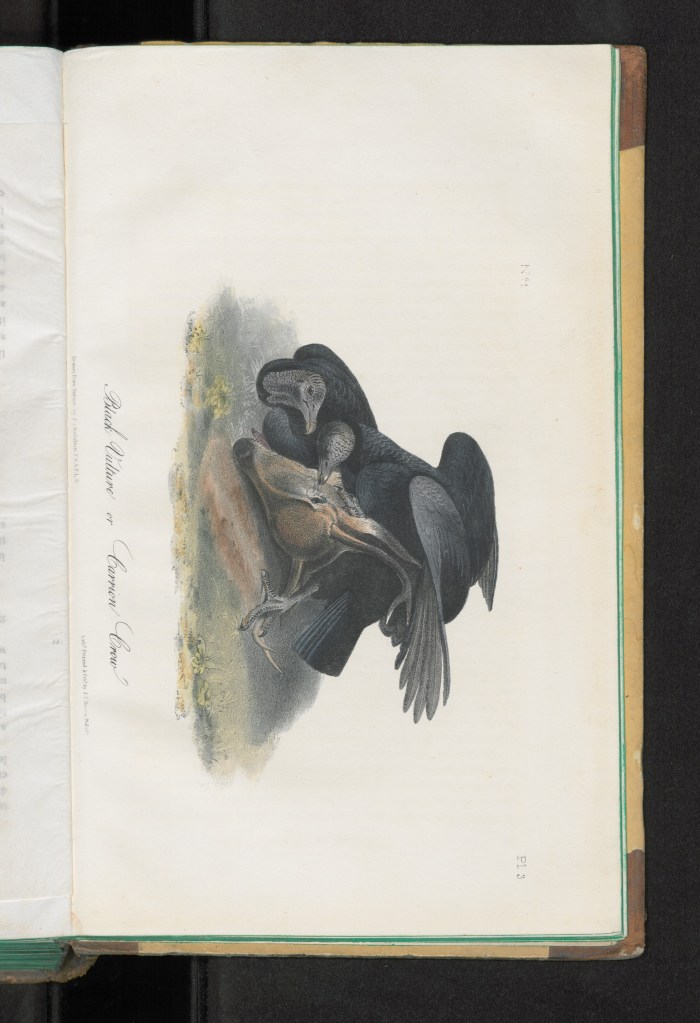
A similar sentiment is voiced by Andrew McGeachin, managing director of London-based Henry Sotherans; a venerable antiquarian bookseller that has been in business since the 1750s.
“Unlike most artworks, books aren’t usually unique items. You have to understand you’re buying something because you’ll enjoy it. That could be because of something physical like a fine leather binding, or because you like the illustrations or you want a copy of a particular text.
“People can appreciate books for all sorts of different reasons. You might even like their smell – if you give them a proper polish antiquarian books have a very distinctive odour. Then there is the sound; a book printed on vellum will have a real crackle when you turn the pages. With the exception of taste, they offer a complete sensory experience.”
Haley adds: “In practice, some books are technically rare, but hold little interest as collectibles, because they are not important editions or they have no appealing physical characteristics such as bindings or provenance.
“A particular edition of a paperback reprint of Dickens from the 1970s might be hard to obtain, but would generally be considered a second-hand book rather than a rare book per se. Like anything based around supply and demand, there may be more people wanting to own the first edition than there are copies available, and this will push the price up until supply and demand balance out.”
Subject matters
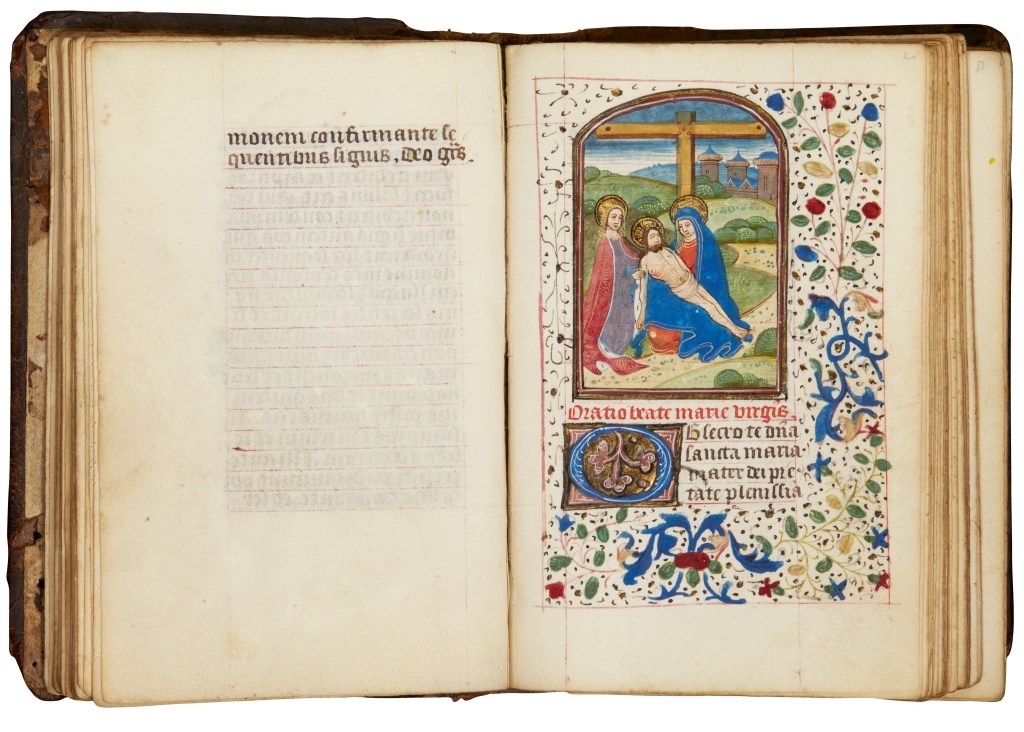
McGeachin suggests potential collectors should focus on subjects that capture their imagination and progress from there.
“Someone might be interested in evolution, for example. They could start with [books by] Charles Darwin, then they could progress to the people who disagreed with him and the people who agreed with him and build up a whole collection around an idea.
“Alternatively, cricket might be a good area for someone who enjoys sport. Thousands of books are available on the subject, but the collector can focus on their interests. It could be the game in the Sub-continent, or in Australia or related to the English counties. Alternatively, they could concentrate on a period such as Bodyline and the 1930s or WG Grace and the 19th century.”
Fellow antiquarian bookseller Daniel Crouch, of Daniel Crouch Rare Books, adds: “My advice would be to befriend several dealers and to start with a very focused collection, but one that has room to branch out. There’s nothing worse than being a collector and finishing your collection. And always buy the very, very best quality. Never skimp on that.’
Specialities and trends
Among Sotherans’ customers is Singapore-based Judd Kinne, who has worked closely with McGeachin in building up a collection with an Asian-centric focus. “In recent years I’ve been collecting John la Carre and quite a few [works by] Graham Greene,’ he explains. “In addition to Greene first editions, I’ve bought some movie cards for The Quiet American which are a nice compliment to the book.
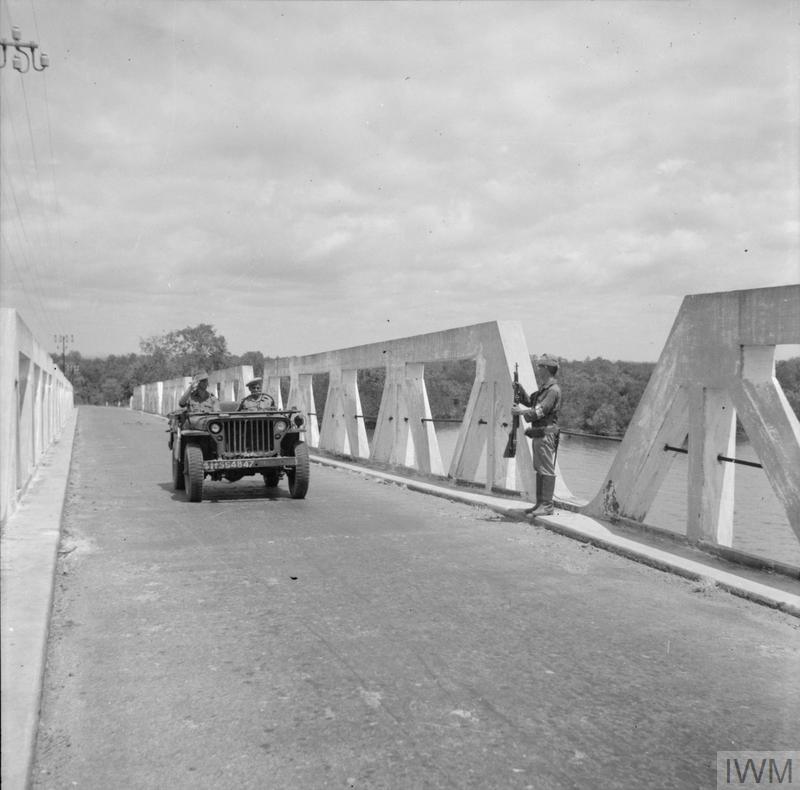
“I’m also interested in military history, especially the Indochina Wars, and I have many first edition books on Indochina war photography. Then there are titles and authors that have an association with Singapore. For example, I have [a copy of] Ronald Searle’s first published book of his sketches done whilst he was a prisoner of war in Changi Prison and Thailand during the Second World War.’
Book collecting is also subject to trends, adds Bonhams’ Haley. “Often literary works will see a brief uptick in value if the book is turned into a film; Harry Potter is a case in point (without the films the collecting market would be much smaller, I suspect).
“Certain authors have been in and out of fashion – Arnold Bennett and Hugh Walpole have dropped out of the popular imagination, but were avidly collected for a time. At the moment we are seeing escalating prices for what I would call landmarks in political-philosophical thought such as Hume, Locke and Hobbes.’
So will Rowling endure as a collectable author, with copies of The Philosopher’s Stone conjuring up ever-more fantastic sums?
McGeachin is non-committal on the subject. “As a rule, rare books increase in price, but it depends. Tastes change. In 25 years people may not care about JK Rowling’s books and you may not get thousands of pounds for a first edition, but equally I may be wrong. If I could predict the trends of authors rising and falling in popularity, I’d be a far richer man than I am.’
From Dickens to Rowling: how to collect rare books.
Tweet
 Dan Hayes: journalist & writer