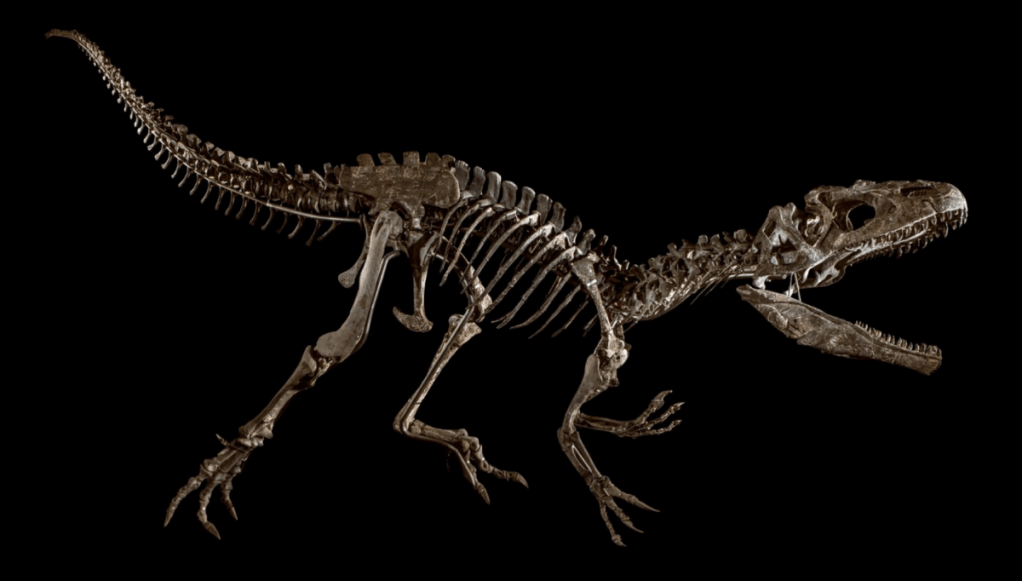
It stands 8m tall, has teeth like meat cleavers and stalked the earth 150 million years ago. It’s also a close relative of Tyrannosaurus Rex and, when it sold at auction in Paris in 2018 for £1.4m, would have presumably redefined the concept of a ‘centrepiece’ in its buyer’s collection.
This fearsome beast (an allosaurus, to be exact) may represent the top end of the market for collectible fossils, but a growing band of people are feeling the lure of owning something that links them to the prehistoric and the primordial; even if they’d rather not buy an aircraft hangar to accommodate their purchases.
Basic instincts
Iacopo Briano, natural history expert at French auction house Binoche et Giquello, believes the appeal is triggered by something that lies deep within the human psyche.
“Fossils provide a glimpse of a very distant past, of a world that is at the same time ours and extremely different from what we can experience,” he says. “The human mind is not really designed to grasp how far away geological times such as the Jurassic or Cretaceous are, yet we can touch the remains of the animals and plants that lived then.
“When you face a fossilised dinosaur in a museum (or, better still, in an auction room) it provides a powerful sensation. This isn’t a rubber and textile movie prop, it’s not a computer-generated image, it’s what’s left of a real animal, so totally ‘alien’ from our everyday experience. It’s basically like pushing the ‘on’ button on a time machine.”
Strikingly visual
The attraction isn’t all about the allure of the giant and the dangerous, either, suggests James Hyslop, head of the science and natural history department at London auction house Christie’s.
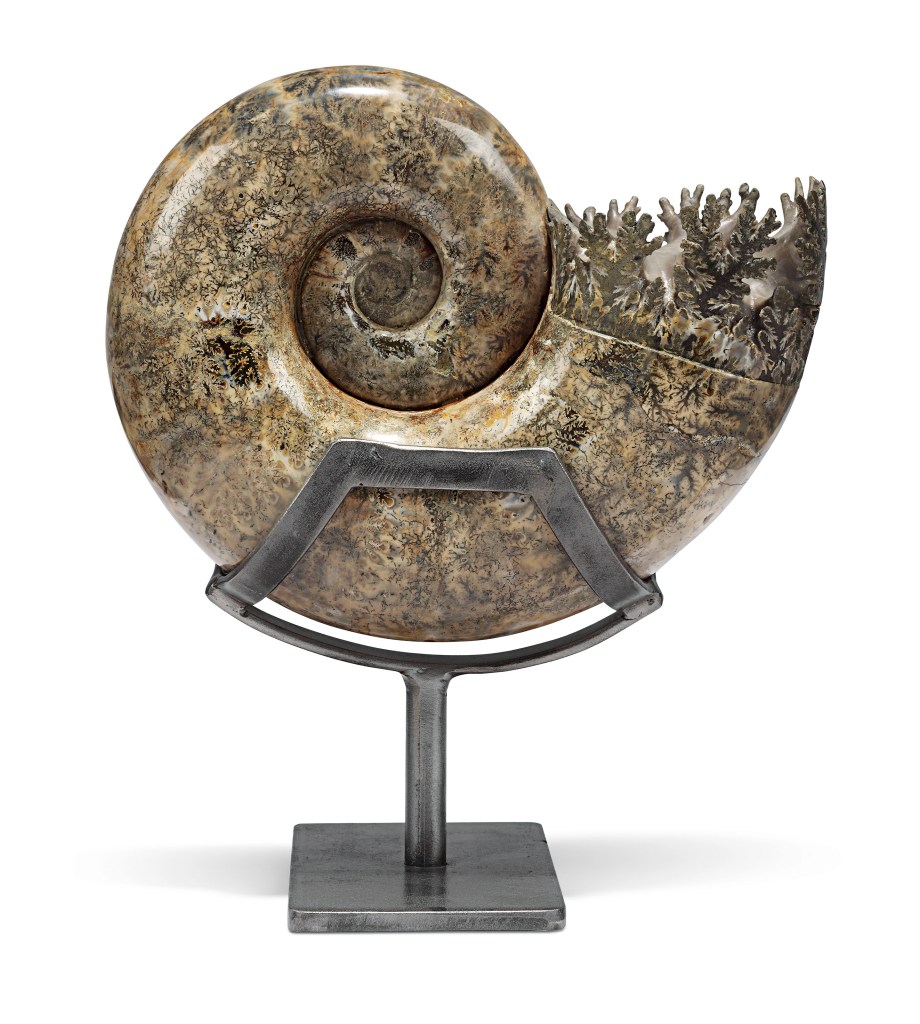
“I think there’s a deep fascination with the very, very old forms of life that once existed on earth,” he says. “Many of the species of that era are also strikingly visual, either on their own or in a collection alongside works of impressionist or contemporary art.”
For an example, he suggests ammonites; beautifully symmetrical spirals that date back 65 million years, and crinoids; fossilised sea lilies, though that name can confuse because these are animals rather than plants.
“The best crinoids are extremely attractive,” explains Hyslop. ‘They have a lovely sheen and a look that’s reminiscent of the works of Art Deco or Art Nouveau. And, because they’re stone, they’re waterproof. I’ve even seen one on display in a client’s shower.”
Value in the market
He suggests that this adaptability is one reason behind the recent surge in interest in fossils. Another is perceived value in the market.
“Collectors can purchase a really world-class specimen for a fraction of the cost they would pay for something comparable elsewhere in the art world. In the 19th-century, for example, the best dinosaurs were seen as on a par with the top paintings, and yet today the world record price for fossils is still under $10m, a fraction of the $450m that was paid for Leonardo da Vinci’s Salvator Mundi.”
Indeed, it’s possible to buy remarkable objects for sums that, in the context of paintings, would be deemed appropriate only for the work of a third-rater.
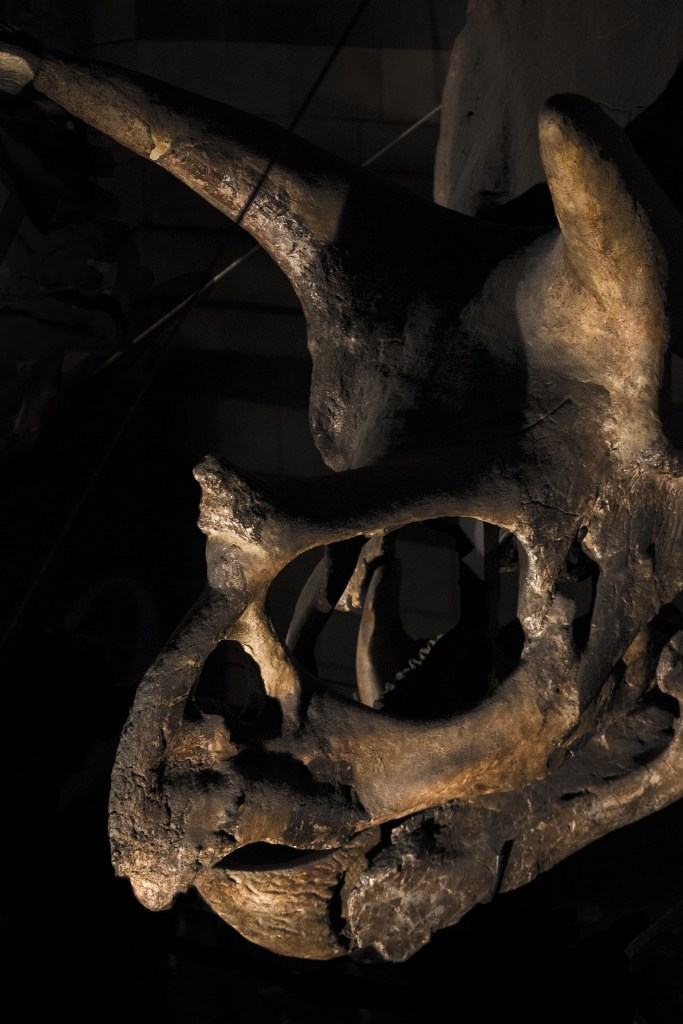
For example, £2,500 will purchase a very fine example of a megalodon tooth. Some 50 million years old, these are six inches of serrated, symmetrical sharpness that once lined the gums of a type of shark that would have made a great white look like a grumpy version of Flipper the dolphin. Or, if you fancy something more unusual, you could always invest in a triceratops vertebra. Christie’s recently sold one, mounted to look slightly reminiscent of an ancient helmet, for £4,000.
What to buy
Motivated by such value and variety, the fossil collecting community is becoming more diverse almost by the month, Briano suggests.
“There’s a real mix of people, from the contemporary art collector, to the movie star, to the tech entrepreneur who’s been raised with [movies such as] Jurassic Park and can now purchase the object of his or her dreams. And I’m not using ‘he or she’ out of gender correctness, either. Dinosaurs and important fossils are absolutely not just ‘toys for boys’. We see plenty of female collectors.”
So does he have any advice for someone who wants to join in and start a collection of their own?
“Visit the best museums with the best fossil collections (Brussels, Chicago, London, Paris, New York…) and read a lot (proper books, not what you unearth online). Then find a reputable dealer and an auction house you can trust, ask lots of questions and decide what you like.
“Always buy the best quality items you can afford. If in doubt, opt for a higher quality specimen of a less rare species over an average quality specimen of something bigger or rarer. Above all, though, buy what you like and have fun doing it.”
 Dan Hayes: journalist & writer